


*SHARED TO THE BLOG IN OCTOBER 2021 / LAST UPDATED OCTOBER 2026
Hello, friends! I’m here today to share a post that is very near and dear to my heart – Walking the Camino de Santiago, A Photo Guide. Along with my friend Karen, I walked the Camino in the summer of 2014, and it was an experience that changed my entire outlook on life. The post I have compiled below is one that I have poured my heart and soul into. It’s part travel guide, part photo journal. At the top of the post, you’ll find heaps of practical information should you find yourself thinking about walking the Camino. Below that, there are snippets and photos from my own personal Camino journey – which Boyfriend jokes are my memoirs.
I can’t be exactly sure why Karen & I thought walking the Camino de Santiago was within the realms of do-able, but I’m so glad we did it.
Shall we?

our pre-camino planning
we settled on walking the traditional route, The French Way. The route is 800km long and starts on the French border in a town called Saint Jean Piet du Port. We mentally prepared for this in two ways: by watching The Way, like, a lot; and by familiarizing ourselves with John Brierley’s guidebook. Although there are a lot of books about the Camino, this is the bible for pilgrims. Fun fact: The French Way has actually been classed as a UNESCO World Heritage Site!
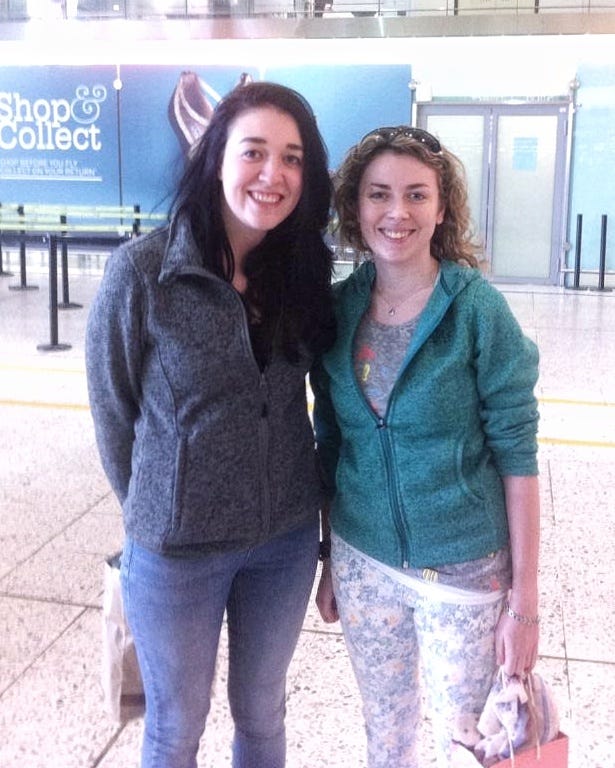
to get to Saint Jean, we flew into Biarritz and shared a group taxi with other pilgrims. There are other options – a bus into town and then a train out to SJ – but this one seemed easiest. The drive took less than an hour, and it was like €20 each – worth it! We got into town kind of late, and most hostels were already booked up for the night. The pilgrim’s office found somewhere for us, but it’s probably a good idea to book in advance.
in town, you have to go to the pilgrims office to officially register yourself as a pilgrim walking the Camino. This is where you get your very own pilgrim passport and the first official stamp! I still remember the joy I felt!
physically speaking, we did very little preparation. Admittedly, we were healthy twenty-one years olds, but neither of us could be described as particularly fit or active. We did a few practice walks, but none of them were longer than 3.5-hours. While the physical aspects of walking the Camino are important, we quickly realised the mental aspects were too. More than anything, the Camino is a mind game.
we didn’t buy too much equipment for our walk. A good pair of hiking boots, walking socks, a quick drying micro-fiber towel, a half silk + half cotton sleeping bag, a sleeping mat, and we shared a set of trekking poles between us. Other than that, I had the bare necessities clothes-wise. I’m pretty sure we even divided up the toothpaste/shampoo etc. so we wouldn’t have duplicates. Space was precious!
things to keep in mind
we chose to take the cheap route and stay entirely in albergues/hostels during our Camino. The only times we pre-booked beds anywhere were at the albergues in Orisson and Santiago, our first and last night respectively. The rest of the time, we’d just arrive in town and look for a bed anywhere. While this worked out for us, other pilgrims told stories of sleeping semi-rough because there were no beds left anywhere. Just something to keep in mind!
we carried our backpacks every single day, so we kept the weight low – under 8kg. A lot of pilgrims walking the Camino don’t fancy doing this and have their bags sent ahead. Naturally, this requires knowing where you’ll be staying that night, so some planning is needed. Aside from the odd shoulder/collarbone bruise in the beginning, we didn’t find it too difficult!
if you choose to walk The French Way, you will have to cross the meseta. The meseta is a long stretch of very flat and boring land that runs roughly from Burgos to Astorga. Those walking The French Way can expect to walk along the meseta for 9-days straight, and a lot of people dread it. It’s boring and somewhat ugly, but do-able.
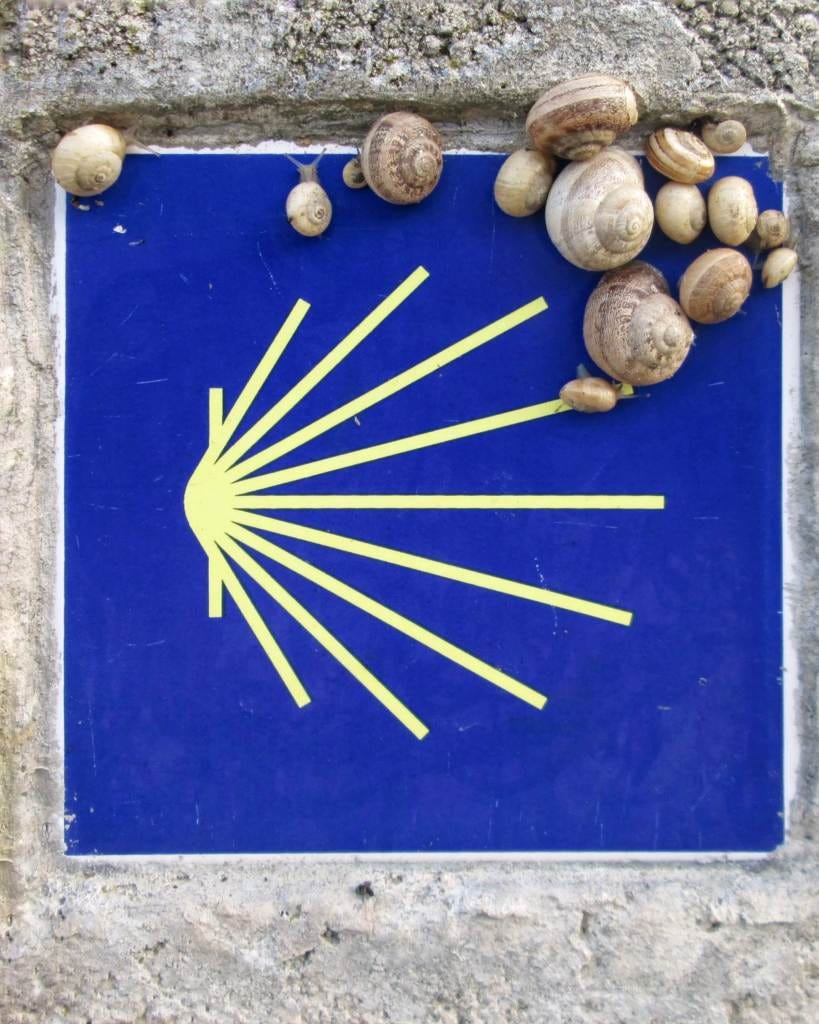
walking the Camino is really just like going orienteering. You walk through all sorts of places – from big cities to tiny villages to expansive fields or parks – looking for tiny shells or yellow arrows. It can actually be quite hard sometimes to find the route! In the bigger cities we lost our way a few times, but locals always pointed us in the right direction eventually. You definitely need to have your eyes peeled.
most of the restaurants along the Camino offer a ‘pilgrim meal’, which we availed of a lot. Normally, it was €10 for three courses and a bottle of wine/sangria. Of course there are cheaper options, like cooking your own meal etc., but we were usually too zonked most days.
Details out of the way – let’s get down to it! Below is a detailed breakdown of our day-to-day life walking the Camino: where we stayed, who we met, how I felt.
walking the camino de santiago

may 27th, saint jean pied du port


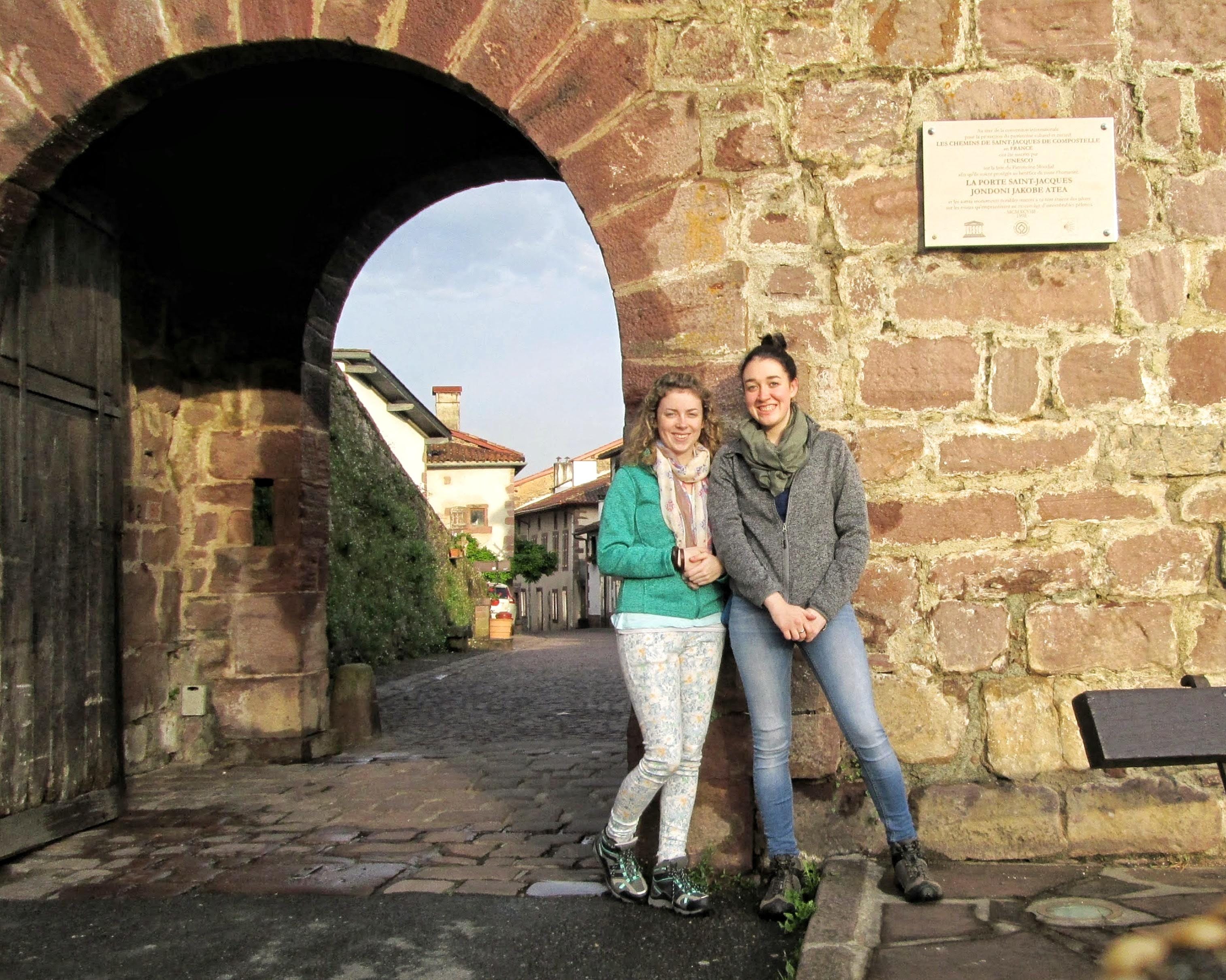
Karen & I were unusual pilgrims in that we were in no hurry to actually get started. We arrived late on Monday 26th, but decided not to start walking the Camino until Wednesday 28th, giving us Tuesday to explore. The hostel we’d stayed at the night before offered us a private room, so we took it easy. We wandered up to the citadel, walked the city walls, and generally admired the beautiful old town – deliriously laughing all the while. It was here that we experienced our first true pilgrim moment: a cry of “buen Camino!” from a fellow pilgrim setting off on his own journey. It felt extremely special.